


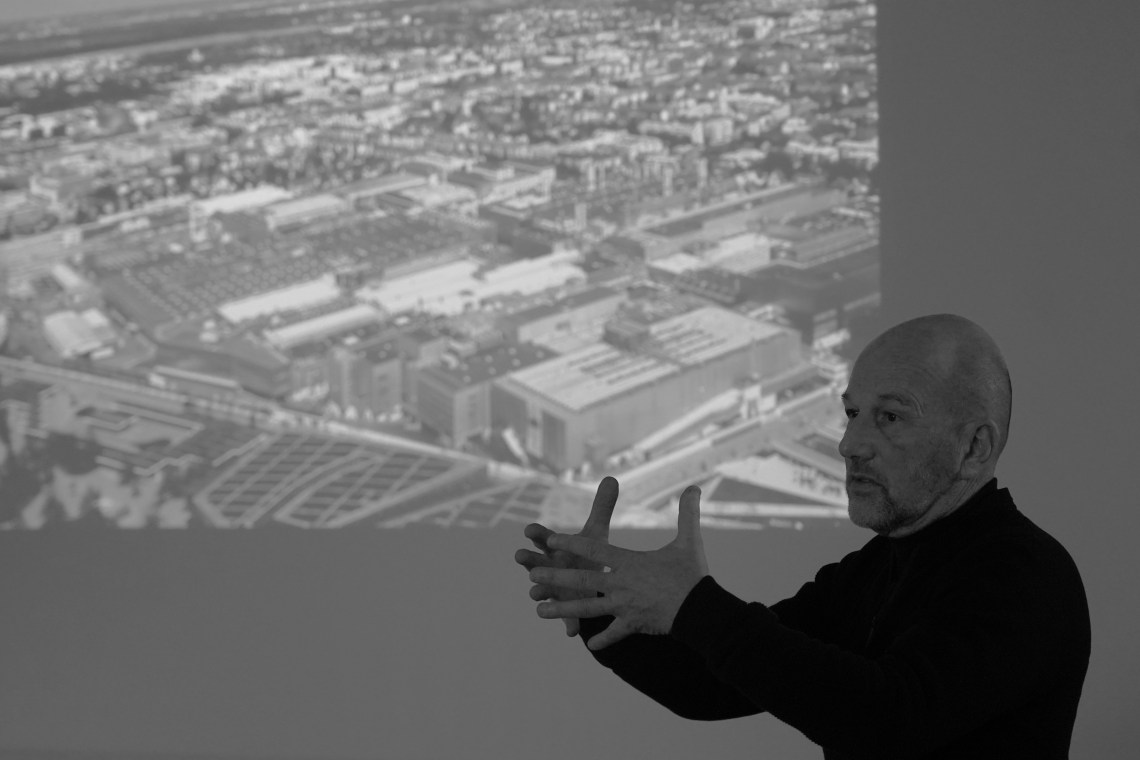
Eran Ben-Joseph
The city in the new industrial age
abstract: In a time of dramatic shifts in the manufacturing sector — from large industrial scale production and design to small-scale distributed systems; from polluting and consumptive production to a clean and sustainable process; from a demand of
unskilled labor to a growing need for a more educated and specialized workforce —
cities will see new investment and increased employment opportunities. Yet, to reap
these benefits will require a shift in our thinking about city physical planning and its
design and development. The aim of this talk is to explore the future relationships
between city and industry along themes of changing technologies, manufacturing,
and demographics, with a focus on their spatial implications. What might the future
relationships between city and industry look like? What are the spatial needs of
contemporary manufacturing? Should contemporary manufacturing be subject to the
same rules and zoning regulations as its predecessors? What could be the benefits of
pursuing, retaining, attracting, and increasing manufacturing activity? Is there a way
to design an industrial city while also maintaining livability and the quality of life of its
inhabitants, especially the aging population?
/////////////////////////////////////////////////////////////
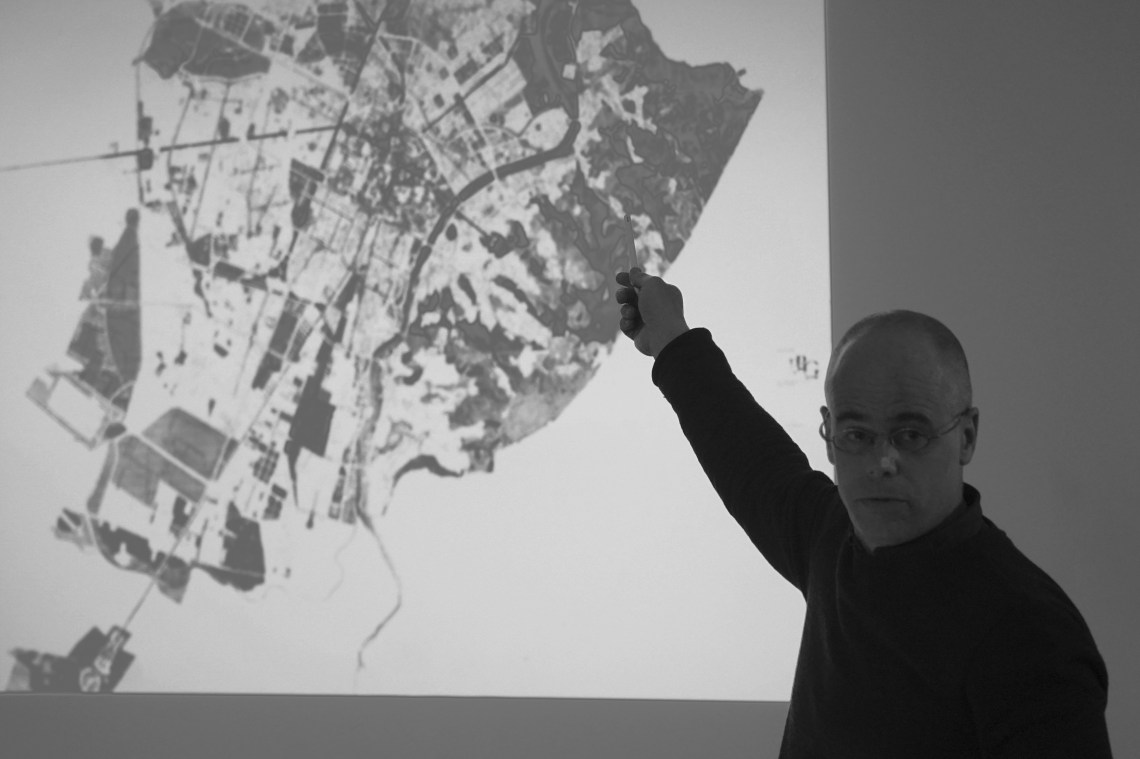
Matteo Robiglio
Mixed, demixed, remixed? A shortbread history of manufactoring Torino
abstract: The powerful image of the XXth century company town – the only European comparable to Detroit – has concentrated all our attention on the archetypal icons of Lingotto (the vertical factory) and Mirafiori (the horizontal factory).
The multifaceted and often hybrid architectures manufacturing has produced in more than thirty decades of urban industrialisation – before, during and after the age of fordist mass production – offer a much richer and often still lively inventory of possibilities for designing the XXIst century possibile return of manufacturing in town.
 INDUSTRIAL REMIX